Plasticisers and superplasticizers reduce the amount of water needed to make
concrete workable, without weakening the mix. Less water means a denser, stronger, less porous concrete once
it cures — which is why admixtures are used far more often to improve durability and workability than simply
to make wet concrete "easier to pour".
The basic problem admixtures solve
Concrete needs water to become workable enough to pour, compact and finish. But water is also the enemy of
concrete strength — every extra bit of water beyond what is needed to hydrate the cement leaves behind
capillary pores once the mix cures, weakening the final structure and making it more porous to water and
chemical attack.
This creates a real conflict for anyone pouring concrete: enough water to work with, or enough strength for
the long term? Admixtures exist to remove that trade-off.
Plasticisers and superplasticizers: the core category
A plasticiser is a chemical admixture that improves the workability of concrete at a given water content —
or, more commonly, allows the water content to be reduced while keeping the same workability.
Superplasticizers do the same job at a much higher level of water reduction, making them the default choice
on most modern structural pours.
What this means practically:
- Lower water-cement ratio without losing workability, which directly increases
compressive strength.
- Better flow into congested reinforcement — useful in heavily reinforced structural
members where vibrating concrete into place is difficult.
- Reduced permeability, since fewer capillary pores form as the mix cures, which improves
resistance to water ingress and chemical attack over the structure's life.
- Extended or controlled setting time in some formulations, which matters for large pours
or hot-weather concreting where the mix would otherwise set too fast.
In short: a plasticiser is not primarily about making concrete "easier" — it is a tool for getting more
strength and durability out of the same cement content.
Corrosion inhibitors: protecting the reinforcement, not just the concrete
Concrete itself is alkaline, which normally protects embedded steel reinforcement from corrosion. But
carbonation, chloride exposure (common in coastal areas) and cracking can break down that protection over
time.
Corrosion-inhibiting admixtures — such as calcium nitrite-based inhibitors — work by interfering with the
chemical reaction that corrodes steel, extending the service life of reinforced structures in aggressive
environments. Zinc-rich primers and anticorrosive coatings serve a related but separate purpose: protecting
exposed rebar and metal surfaces directly, rather than through the concrete chemistry itself.
This category matters most in coastal construction, marine structures, and any project where reinforcement
will be exposed to chlorides or industrial atmospheres — conditions common along Kerala's coastline.
Surface treatment chemicals: finishing and protecting the cured surface
Not every admixture goes into the wet mix — a separate category treats concrete after it is poured:
- Curing compounds are applied to freshly poured concrete to slow moisture loss, which
allows the cement to hydrate properly instead of drying out too fast and losing strength.
- Concrete removers and etching agents prepare old or contaminated surfaces before new
concrete, plaster or coatings are applied.
- Non-metallic and metallic surface hardeners increase abrasion resistance on floors that
will see heavy foot or vehicle traffic.
Skipping proper curing is one of the most common — and most avoidable — causes of underperforming concrete
on site, regardless of how good the original mix design was.
Fibre powders: secondary reinforcement
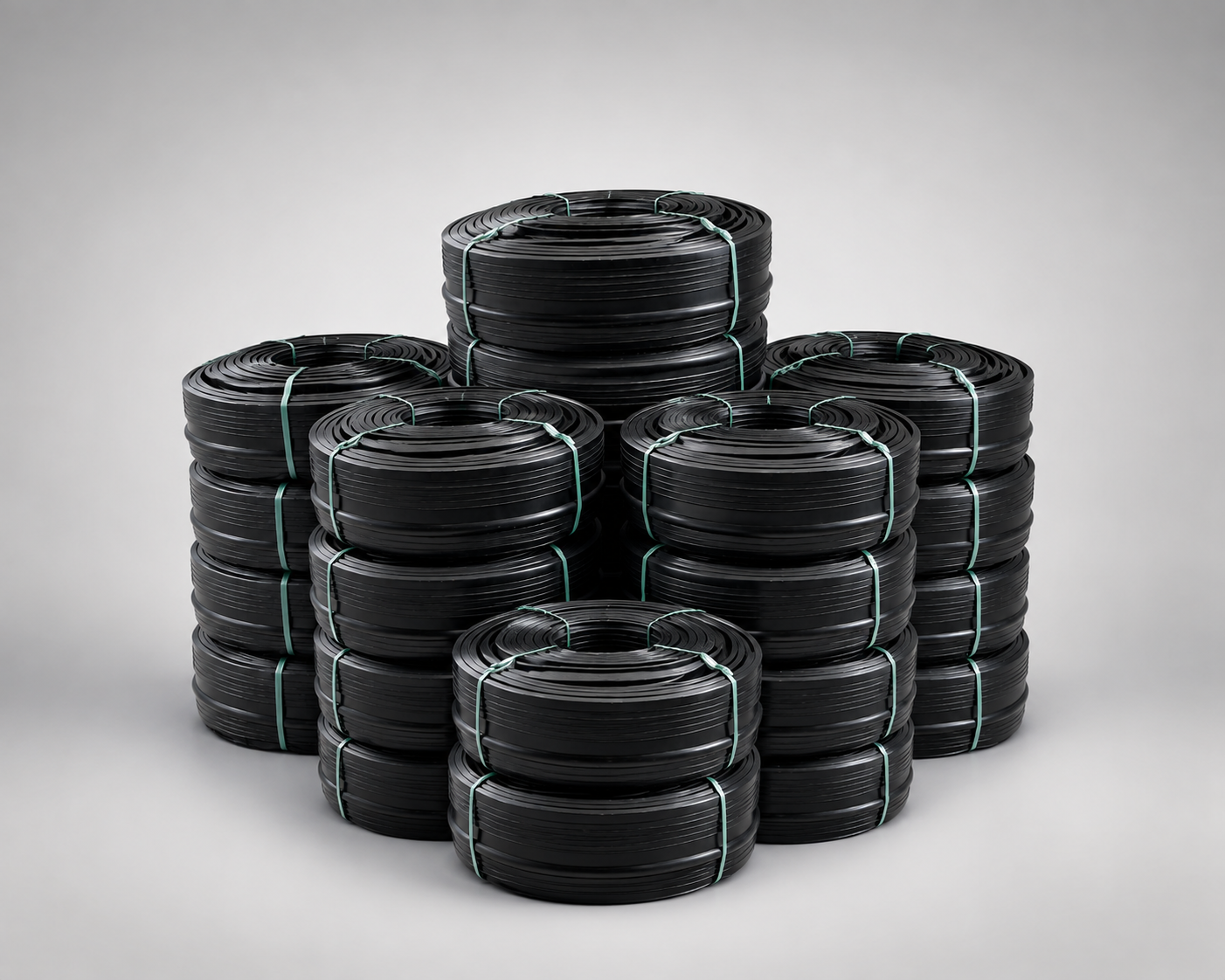
Fibre powders are mixed into concrete or plaster as secondary reinforcement, helping control shrinkage
cracking and improve toughness. They do not replace structural steel reinforcement, but they reduce the fine
surface cracking that otherwise lets water and chemicals begin working their way into a slab or plastered
wall.
How these categories work together
On a real project, these admixture categories are not competing options — they are typically layered:
- Plasticiser or superplasticizer in the mix design, for strength and workability.
- Corrosion inhibitor if the structure faces chloride or coastal exposure.
- Fibre powder if shrinkage cracking is a concern.
- Curing compound applied immediately after the pour.
- Surface treatment as needed, based on the finished use of the surface.
A specification that only addresses the first item and skips curing and corrosion protection is leaving
durability on the table — something architects and structural engineers weigh carefully when specifying
admixtures for long-life structures.
A note for architects and engineers
Admixture selection interacts with cement type, aggregate, ambient temperature and exposure conditions —
there is no single "correct" plasticiser dosage or corrosion inhibitor that applies universally. This is
exactly where detailed technical specification and supplier documentation matter: getting dosage and
compatibility right before the pour, not after.
Where Anton Traders fits in
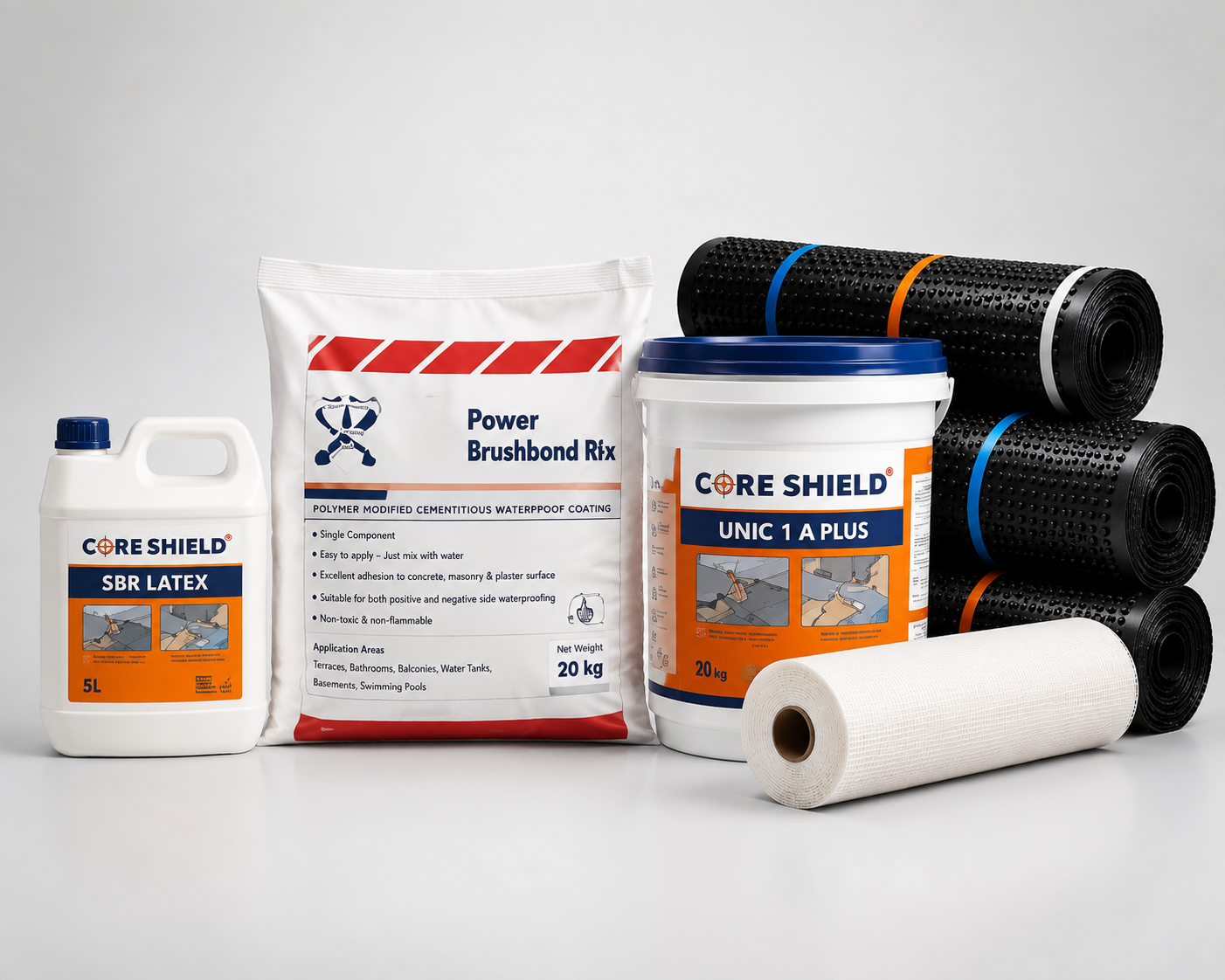
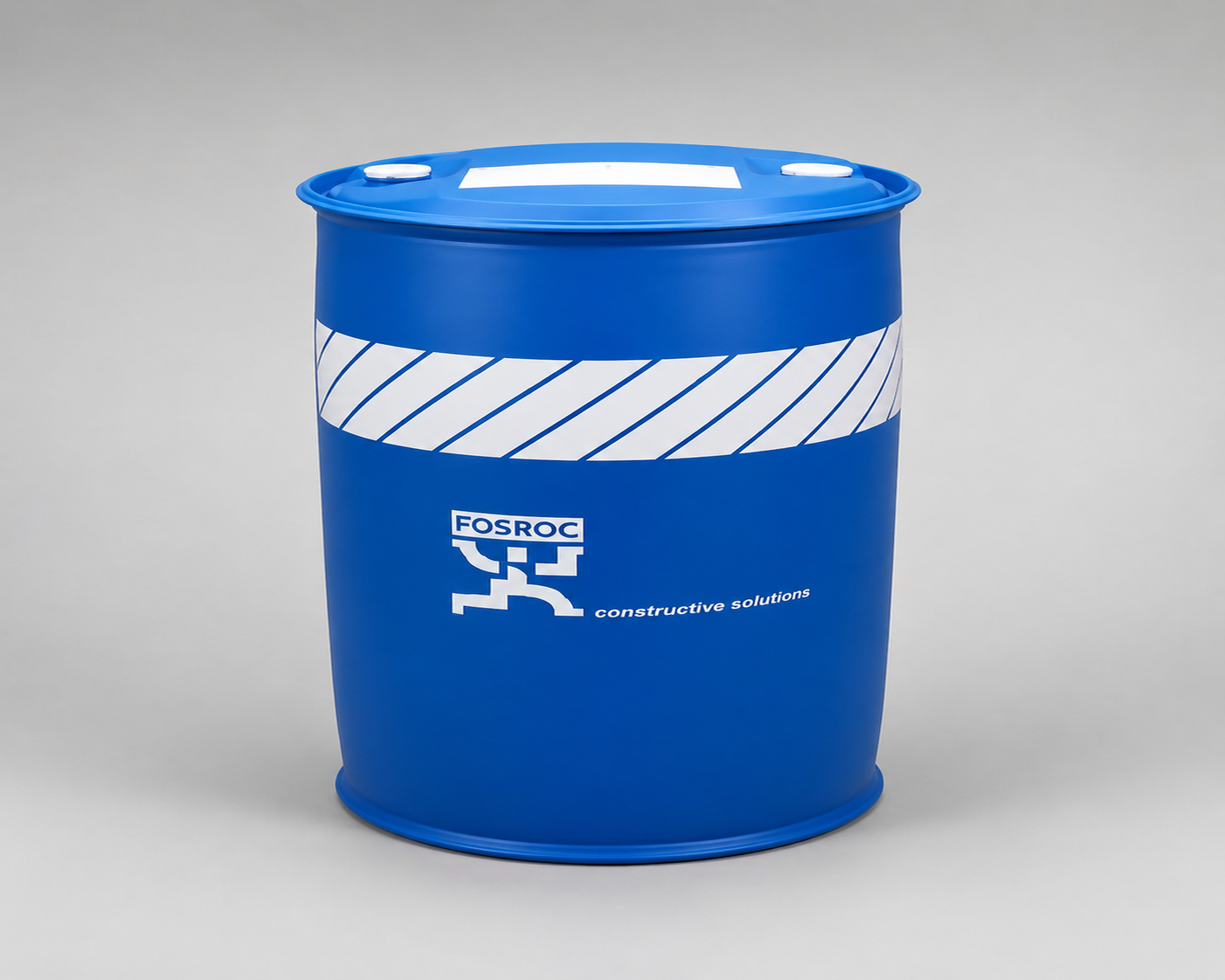
Anton Traders supplies the full admixture range — plasticisers and superplasticizers, corrosion-control
chemicals, curing compounds, surface treatment products and fibre powders — with technical guidance on
matching the right admixture combination to your mix design and site conditions, plus documentation support
for architects and engineers who need it on file.
Frequently asked questions
Do plasticisers make concrete weaker by making it more "liquid"?
No — the opposite. Plasticisers are used to reduce the water content while keeping the mix workable,
which increases strength rather than reducing it. Adding plain water to loosen a mix, without a
plasticiser, is what weakens concrete.
Is a superplasticizer the same thing as a plasticiser?
They work on the same principle, but superplasticizers achieve a much greater water reduction and
workability improvement, making them the standard choice for most structural concrete rather than a
speciality upgrade.
When are corrosion inhibitors necessary?
Primarily in reinforced concrete exposed to chlorides or carbonation risk — coastal structures, marine
works and industrial environments — where protecting embedded steel is a long-term durability concern.
Can curing compounds be skipped if the weather is cool and humid?
It is not recommended. Even in favourable weather, curing compounds provide consistent, controlled
moisture retention that manual watering often cannot match on a busy site, and inconsistent curing is a
common cause of surface cracking and reduced strength.